|
Don't ignore the swell: Wounds Australia's summer health campaign hits Brisbane in March
Thursday, 19 November 2026
|
|
The national Beat the Swell campaign will bring international and Australian experts to Brisbane in February 2027 to tackle lower limb swelling, lymphoedema and chronic wounds. Wounds Australia is urging Australians not to ignore persistent swelling in their legs and feet this summer, warning that untreated swelling can lead to chronic wounds, serious infections and lasting health complications. The warning comes as we prepare to open registrations for our annual Beat the Swell professional learning event for clinicians, being held in Brisbane on Wednesday 17 February 2027. It will feature internationally renowned wound care experts Bekk Christensen and Professor Sebastian Probst, with other leading Australian clinicians and people with lived experience. Numbers for the in-person event are limited and registrations open soon. Beat the Swell is supported by our generous event partners Essity, the Australasian Lymphology Association (ALA), the ANZ Society for Vascular Surgeons, the Pharmacy Guild of Australia, Lymph Advocate, Lymphoedema Association Australia and Mole Digital. A national campaign to spotlight unexplained lower limb swellingBeat the Swell explores the prevention, early detection and effective treatment of conditions causing leg and ankle swelling, including chronic venous insufficiency, chronic oedema, lymphoedema and leg ulcers. It aims to upskill clinicians in best practice care and educate consumers about the warning signs and sources of support. Wounds Australia CEO Jeff Antcliff said lower limb swelling should not be ignored. "During the busy summer months, it's easy to dismiss swelling as minor or temporary, but persistent swelling can be an early warning sign of a condition that, if left untreated, can lead to painful wounds, recurrent infections and a significant reduction in quality of life," Mr Antcliff said. "Beat the Swell is about helping Australians recognise the signs, understand the risks and seek appropriate care before relatively manageable conditions become serious health problems." Early identification and appropriate management, including clinician-prescribed compression therapy, can help prevent wounds, infections and other complications. Hot weather, long periods of sitting during travel and disrupted daily routines can exacerbate lower limb swelling, making summer an important time to recognise the warning signs.
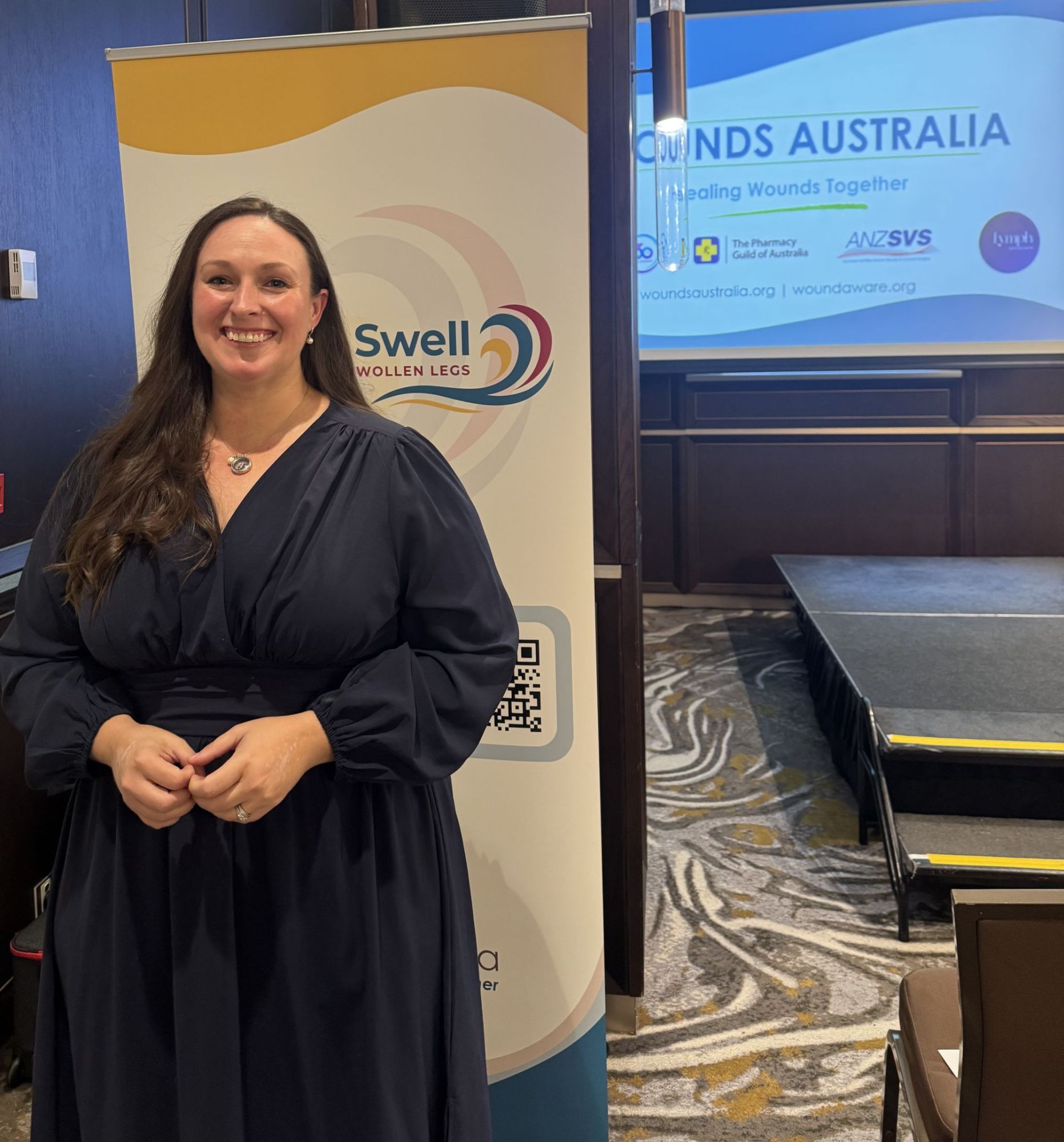
Rockhampton-based occupational therapist and accredited lymphoedema training provider Stacey Bradshaw (pictured at the 2026 event in Melbourne) said persistent swelling should never be dismissed as an inevitable consequence of hot weather, ageing or long periods on one's feet. "Anything that doesn't reduce with rest, especially swelling that is still present when you wake up, can be a sign the lymphatic system is struggling," Mrs Bradshaw said. "The earlier we manage it, the better the outcome." Mrs Bradshaw emphasised that appropriately prescribed compression therapy plays a central role in managing chronic oedema and preventing complications. "Compression is essential and learning to use it correctly matters," she said. "When prescribed by an appropriately trained clinician, well-fitted compression can manage oedema and prevent wounds, infection and other complications." International expertise comes to BrisbaneAs a centrepiece of the 2027 campaign, Wounds Australia will host a special Beat the Swell event at Rydges South Bank, Brisbane, on Wednesday 17 February, bringing together international expertise, Australian clinical leaders and consumers to explore the latest evidence and practical approaches to lower limb swelling and wound management. Our first keynote speaker is Queensland occupational therapist Bekk Christensen – an Occupational Therapy Team Leader at Mater Hospital Brisbane and Deputy President of the ALA – who has more than 16 years of clinical experience across rural, metropolitan, acute and community healthcare settings.
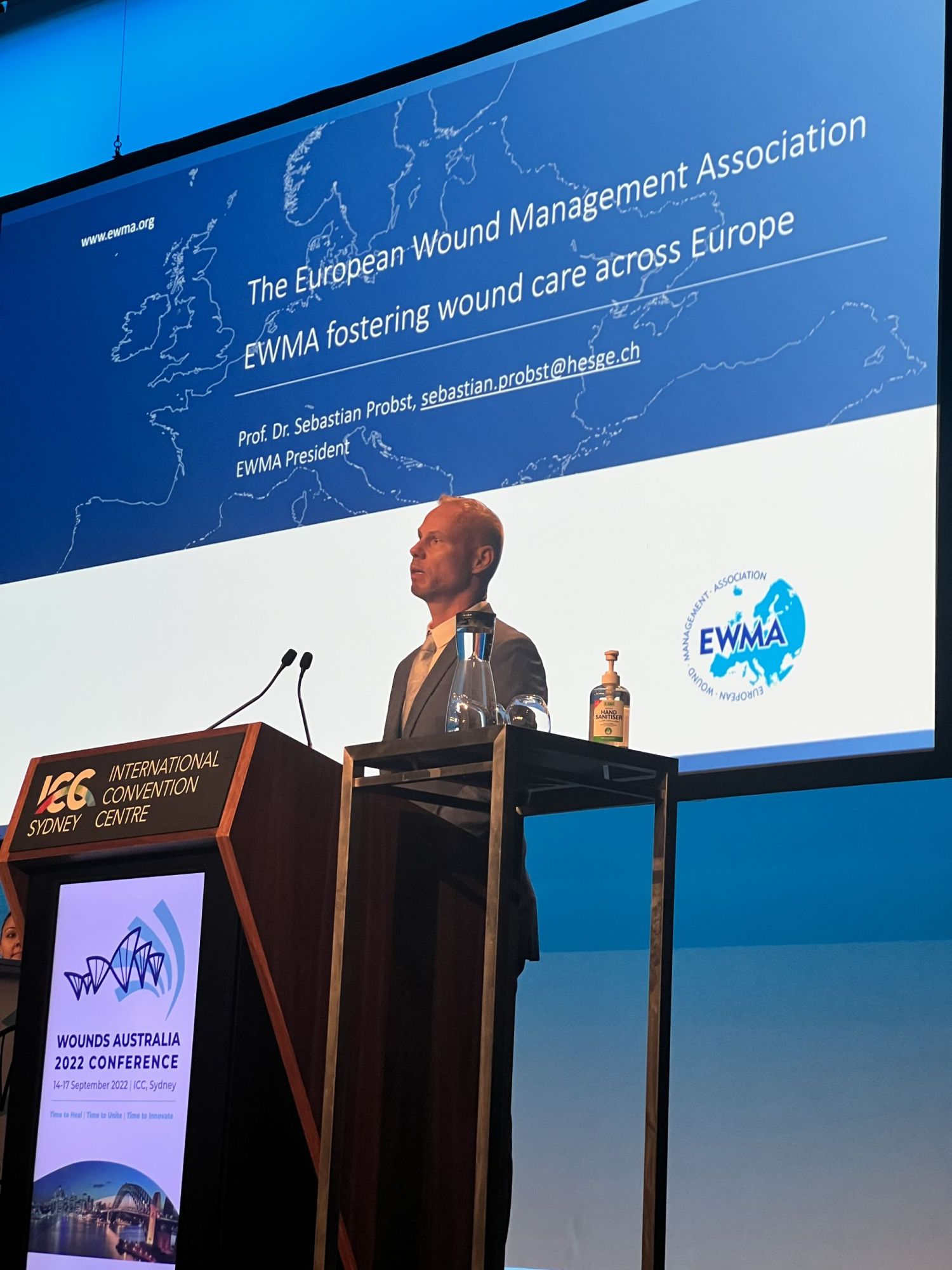
She will be joined by international researcher and clinician Sebastian Probst, Professor of Tissue Viability and Wound Care at the Geneva School of Health Sciences in Switzerland, who has more than 30 years of experience in nursing and wound care. Professor Probst – pictured speaking at the Wounds Australia 2022 Conference on the Gold Coast – is internationally recognised for his research into person-centred wound care, patient education and self-management. He also holds an adjunct academic appointment at Monash University, where he will be holding a high-level debridement workshop during his Australian visit. The evening will be hosted by Ms Bradshaw, who will also facilitate a multidisciplinary discussion between participants including Nurse Practitioner Kerrie Coleman, chronic wound researcher Dr Kathy Finlayson, physiotherapist Natalie Kruger, vascular surgeon and former President of the Australian and New Zealand Society for Vascular Surgery Dr Mark Jackson, and Professor Probst. Consumer and pharmacist representatives are to be confirmed. Their discussion will explore challenges in the identification and management of lower limb swelling, the importance of multidisciplinary collaboration and how clinicians and consumers can work together to improve health outcomes. "Effective management of lower limb swelling requires more than treating the symptoms," Mr Antcliff said. "It requires early recognition, evidence-based care and collaboration across healthcare disciplines. "Bringing together international leaders, Australian specialists and people living with these conditions is an important opportunity to advance understanding and improve care."
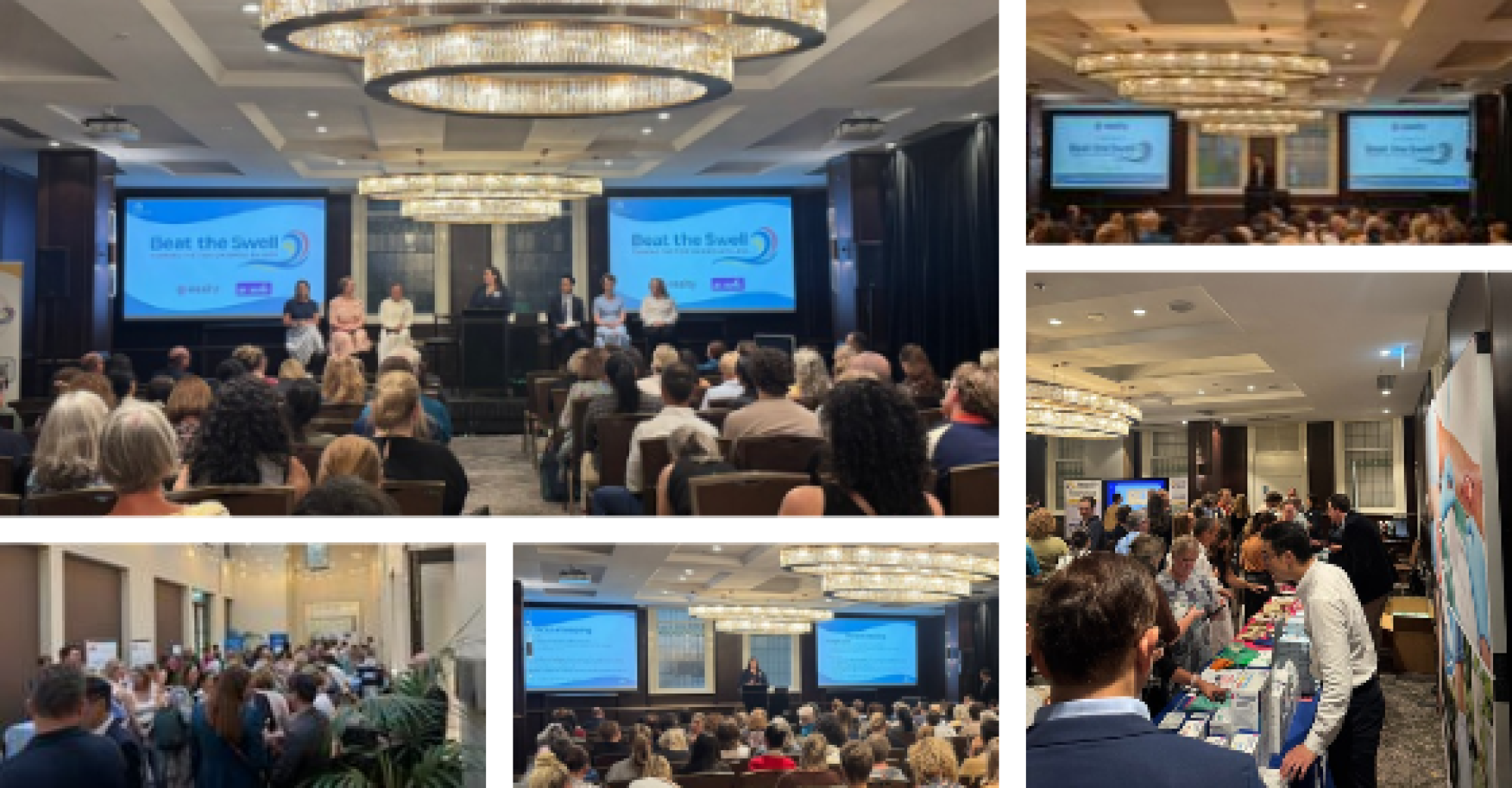
Pictured: Participants enjoying the inaugural Beat the Swell event in Melbourne in March 2025. The facts about lower limb swelling:
Recognise the warning signsAustralians should seek professional advice if they experience:
Sudden swelling, particularly when accompanied by pain, redness or warmth, requires prompt medical assessment. Sudden breathlessness or chest pain accompanying leg swelling requires emergency medical attention. Appropriate treatment depends on the underlying cause and may include compression therapy, exercise, skin care and management of contributing health conditions. Compression should be prescribed and fitted by an appropriately trained clinician following suitable assessment. Beat the Swell around AustraliaRegistrations open soon for our in-person event in Brisbane. Not in Queensland? Join a Beat the Swell forum near you, thanks to our generous event partners Essity. You'll have exclusive early access to a webinar presented by keynote speaker Bekk Christensen, followed by an interactive discussion facilitated by a local Wounds Australia expert speaker in your location. We will be releasing more details in December. Can't join a forum? Catch up on our webinar with Ms Christensen in the days following Beat the Swell, when we will be making the recording publicly accessible and free to all, as part of our commitment to embedding best practice in care contexts around the country. Find more about Beat the Swell, including a factsheet for patients, at woundaware.org/beat-the-swell. |